Updated by
What it pays
SpaceX states the rates directly in the posting. Engineering interns at freshman or sophomore level are paid $28.00 an hour, and juniors or seniors are paid $30.00 an hour, with the rate determined by academic level rather than by team or site.
Beyond the hourly rate, interns may be eligible for a stipend to subsidise relocation costs, along with medical coverage and a 401(k). Interns are also eligible for paid company holidays, and SpaceX offers ten or more of those a year.
Worth being clear eyed about this: $30 an hour is a solid intern wage but it is not the highest in the industry, and roles at Anduril and some defence software teams pay considerably more. People take the SpaceX internship for the work and the name on the resume, not because it is the best paid option available.
Who is actually eligible
Three requirements gate every application, and they are stated as basic qualifications rather than preferences.
You must be enrolled in a bachelor's degree programme in an engineering, physics or mathematics discipline by the start of employment. You need three or more months of applied engineering experience, and the posting explicitly counts internships, laboratory work and personal or team projects toward that. And you must meet the export control requirement.
On that last point, the wording matters and is more generous than most people assume. The posting requires that you be a US citizen or national, a lawful permanent resident, a refugee under 8 USC 1157, or an asylee under 8 USC 1158. So green card holders qualify, and so do refugees and asylees. What is not available is F-1 visa sponsorship, which puts most international students outside the door regardless of how strong the application is.
Separately from the basics, SpaceX lists preferred qualifications: a GPA of 3.5 or above, and six or more months of applying technical skills outside the classroom, with laboratory work, research, project teams, volunteering and personal projects all named as qualifying. Preferred means preferred rather than required, and the 3.5 figure is a target to be aware of rather than a wall.
Two logistical requirements catch people out. You must be able to work full time and onsite for a minimum of twelve consecutive weeks, and for positions at Bastrop, Cape Canaveral, McGregor and Vandenberg you must provide your own transportation.
The five programs, and why the preference field matters
The application asks you to name a program preference, and most applicants pick without knowing what they are choosing between. The five are Dragon, Falcon, Starlink, Starshield and Starship, and each hires a different mix of disciplines.
SpaceX notes that it cannot always match candidates to their requested program, so treat the preference as a signal rather than a decision.
A few things worth drawing out. Dragon is the human rated spacecraft and is the only program listing life support systems, so if environmental control is your interest that is the one. Falcon is where recovery engineering and launch site operations sit, which is the closest thing to working on an operational vehicle flying regularly. Starlink is the highest volume manufacturing operation in the company and lists automation, controls and industrial engineering, which makes it the natural home for anybody interested in production at rate rather than one-off builds.
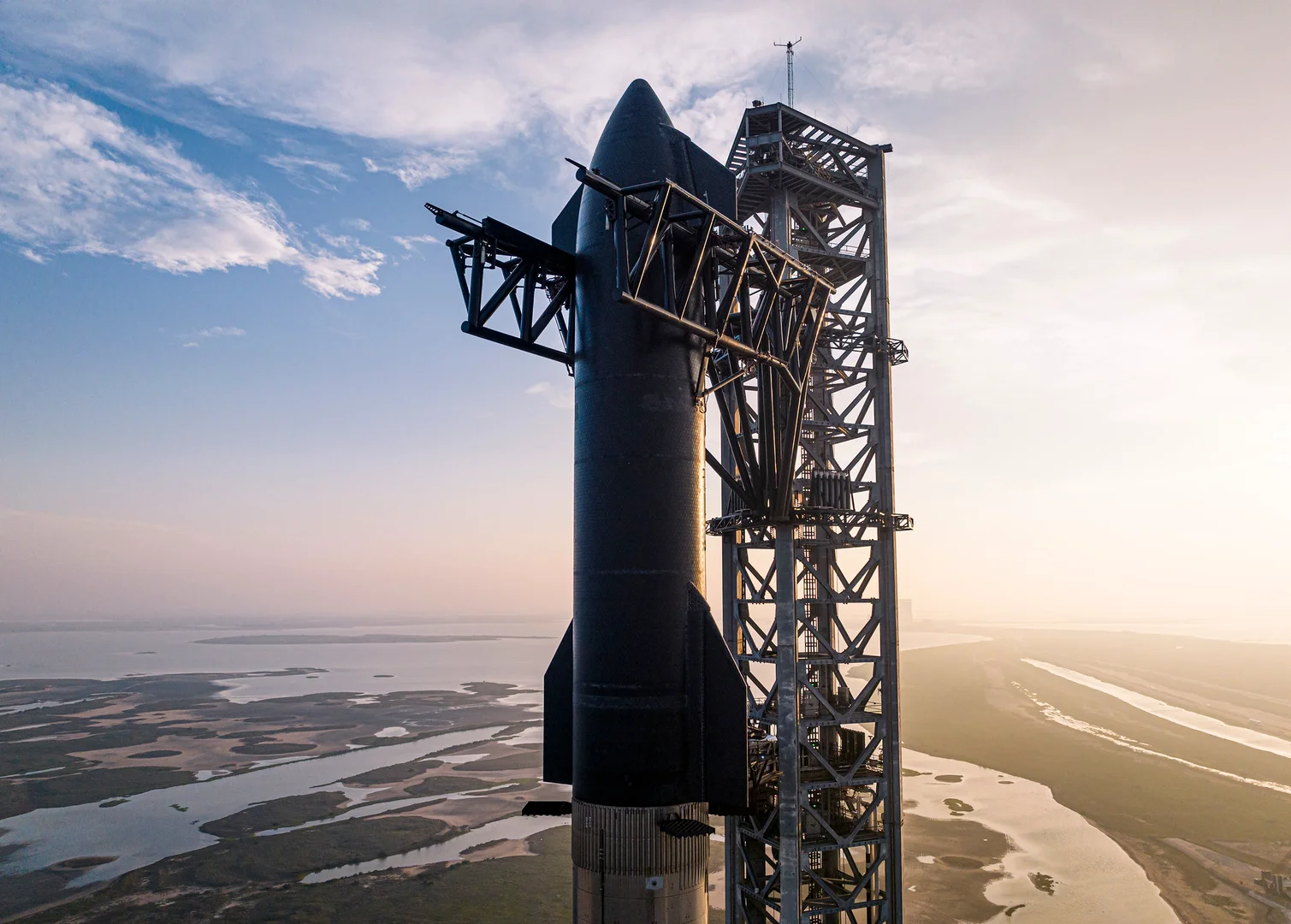
Starshield is the national security business, described as supporting United States national security with an initial focus on earth observation, communications and hosted payloads. Expect the tightest screening here. Starship lists the widest range of disciplines of the five, including civil engineering, which is unusual and reflects the amount of ground infrastructure being built.
Pick the program that matches what is actually on your resume. A preference for Starship with a resume full of RF and signal processing work reads as somebody who chose the most famous option.
The application form is harder than the job posting suggests
This is the part almost no guide covers, and it is the part that costs people. The SpaceX application is not a resume upload. It contains several required fields that will stop you cold if you open it unprepared.
Fields observed on the live application in July 2026. SpaceX revises these, so treat it as a guide to what to prepare rather than a guarantee.
The essay. There is a required free text field asking for a summary of your top two exceptional academic or professional accomplishments, and the prompt states that ideally these will reflect your most highly technical accomplishments and demonstrate why you are a top candidate. This is the single most important thing in the application and it is impossible to do well while staring at an open form at midnight.
Write it in advance. Pick two things that are genuinely technical, name what the problem was, what you specifically did, and what the measurable outcome was. Resist the urge to write about passion for Mars. Everybody applying has that, so it carries no information, whereas the fact that you rewrote a test procedure and cut the failure rate does.
SAT and ACT scores. Both are required fields. There is a "did not take" option, so this is not a barrier if you have no scores, but it does surprise people who assumed university applications were behind them. Find the numbers before you start.
Student groups. There is a checklist covering rocket clubs, robotics, satellite groups, hyperloop teams, aero clubs, motorsport competitions, hackathons and amateur radio. That SpaceX asks this as a structured field rather than leaving it to your resume tells you how much weight competition team experience carries here. If you are early in your degree and wondering what to spend your time on, this checklist is a fairly direct answer.
The portfolio upload. There is an optional attachment field for additional content, with multiple files combined into a single zip. Very few applicants use it. If you have a well documented project with drawings, test data and photographs, this is a free opportunity to show work that a one page resume cannot hold.
When to apply
SpaceX recruits well ahead and reviews on a rolling basis, so the queue position matters. Applications for a summer typically open in the late August to September window of the preceding year, with the fall 2026 posting having gone live months in advance and asking candidates to start in August or September 2026.
The practical advice is the same as for the rest of the industry but more so: have your resume and your two accomplishment paragraphs finished before the window opens, and submit within the first week. A strong application in week five sits behind a very large pile of adequate ones from week one.
SpaceX also runs spring and fall internships, not just summer, and those attract far fewer applicants. If your degree structure allows a term away, that is a materially easier route in.
What the process looks like
Here I have to be straight with you about the limits of what is publicly known. SpaceX does not publish its interview process, and the detailed stage-by-stage accounts circulating online come from candidate self reports of varying reliability rather than from the company.
What can be said with confidence is that the process is technical, that it involves conversations with engineers rather than only recruiters, and that it will centre on the work described on your own resume. Expect to be asked to go deep on a project you listed and to explain your reasoning rather than recite an outcome. Software roles involve coding assessment.
The preparation that actually transfers is unglamorous. Reread your own resume and be able to reconstruct every decision on it. Know the fundamentals of the discipline you applied under. Be able to say what you would do differently, because that question separates people who did the work from people who were nearby when it happened.
If you do not get in
Worth saying plainly, because the volume of applications means most people will not. SpaceX is one employer in an industry that has more open student roles than it has ever had, and the suppliers, satellite operators, launch startups and defence firms hiring right now offer work that is frequently closer to hardware and considerably easier to get.
An internship at a company making flight components teaches you more about manufacturing constraints than most large programme roles will, and it makes the SpaceX application stronger next cycle. The people who eventually get in have often applied more than once.
Frequently asked questions
How much does a SpaceX internship pay?
SpaceX lists $28.00 an hour for engineering interns at freshman or sophomore level and $30.00 an hour for juniors and seniors, with pay set by academic level. A relocation stipend, medical coverage, a 401(k) and paid company holidays may also apply.
What GPA do you need for a SpaceX internship?
There is no stated minimum in the basic qualifications. A GPA of 3.5 or above is listed as preferred, which means it strengthens an application rather than gating it.
Can international students intern at SpaceX?
Only if they hold qualifying status. The posting requires applicants to be a US citizen or national, a lawful permanent resident, a refugee under 8 USC 1157 or an asylee under 8 USC 1158. F-1 students are not eligible, as SpaceX does not sponsor for these roles.
Where are SpaceX internships located?
Hawthorne and Irvine in California, Vandenberg in California, Starbase, Bastrop and McGregor in Texas, Cape Canaveral in Florida, and Redmond in Washington. Your own transportation is required at Bastrop, Cape Canaveral, McGregor and Vandenberg.
How long is a SpaceX internship?
A minimum of twelve consecutive weeks, full time and onsite. Sessions run in summer, spring and fall.
What is the SpaceX internship acceptance rate?
SpaceX does not publish one. Figures quoted elsewhere are estimates rather than company data, so treat any specific percentage you see with scepticism.
Do you need a security clearance?
Not for most roles. Starshield supports national security work and can be expected to involve stricter screening, but the general engineering internship requires export control eligibility rather than a clearance.
Does SpaceX require SAT or ACT scores?
The application form includes required fields for both, with a "did not take" option available. Have your scores to hand before you start.
SpaceX is one of several hundred employers hiring student engineers this cycle. Browse aerospace and space internships, defense and national security roles and deep tech internships, filtered by discipline, location and eligibility.
Worth reading next: how much aerospace internships pay across the industry, when to apply for the summer cycle, and how to build an aerospace internship resume.
Sources: the SpaceX Fall 2026 Engineering Internship/Co-op posting on Greenhouse, including stated pay rates, basic and preferred qualifications, ITAR requirements, site list, program descriptions and the live application form fields, verified July 2026. SpaceX revises its postings, so confirm current details before applying. This article is not affiliated with or endorsed by SpaceX.